
Step back in time as we explore the enchanting world of historic hotels nestled within colonial buildings. From the grandeur of the past to the charm of the present, these architectural wonders hold stories of bygone eras waiting to be discovered.
Uncover the allure of historic hotels in colonial buildings and the unique experiences they offer to travelers seeking a blend of history and luxury.
Historic Hotels
Historic hotels are accommodations located in buildings that have significant historical value or have been around for a long time, often showcasing unique architecture and design.
These hotels play a crucial role in preserving cultural heritage by maintaining and restoring old buildings, allowing guests to experience a piece of history while enjoying modern amenities. They serve as living museums, telling stories of the past and providing a glimpse into the lifestyle of previous eras.
Examples of Famous Historic Hotels
- The Plaza Hotel in New York City, USA – Known for its luxurious accommodations and iconic history, hosting celebrities and dignitaries.
- The Raffles Hotel in Singapore – Established in 1887, it is a symbol of colonial elegance and tradition in the heart of the city.
- The Taj Mahal Palace in Mumbai, India – Built in 1903, it is a landmark of Indian hospitality and architectural beauty.
- The Hotel del Coronado in California, USA – A Victorian masterpiece by the sea, attracting guests with its charm and history.
Colonial Buildings
Colonial buildings are structures that were built during the colonial period when a particular region was under the control or influence of a colonial power. These buildings often reflect the architectural styles and influences of the colonial power, blending with local building traditions.
Architectural Characteristics
Colonial buildings typically feature symmetrical facades, gabled roofs, and simple yet elegant designs. They often incorporate elements such as columns, verandas, and sash windows. The materials used in construction vary depending on the region but may include wood, brick, or stone.
Historical Context
Colonial buildings can be found in various regions around the world, including the Americas, Africa, Asia, and Oceania. These buildings serve as tangible reminders of the colonial past and the cultural exchanges that occurred during that period. In some cases, colonial buildings have been preserved as heritage sites, while in others, they have been repurposed for modern use.
Attractive Features for Hotel Conversions
The historical charm and unique architectural details of colonial buildings make them ideal candidates for hotel conversions. Features such as high ceilings, ornate moldings, and spacious layouts can create a luxurious and inviting atmosphere for guests. Additionally, the historical significance of these buildings adds a sense of authenticity and heritage to the hotel experience.
Preservation Challenges
Preserving historic hotels in colonial buildings poses several challenges that need to be carefully addressed to maintain their historical integrity.
Structural Integrity
One of the common challenges in preserving historic hotels in colonial buildings is ensuring the structural integrity of the original architecture. Over time, these buildings may face deterioration due to age, weather conditions, and lack of proper maintenance.
- Regular structural assessments by qualified professionals can help identify weak points and prioritize repairs to ensure the building’s stability.
- Using traditional building materials and techniques for restoration work can help preserve the authenticity of the colonial architecture.
- Implementing preventive maintenance measures, such as waterproofing and pest control, can prolong the lifespan of the building.
Modern Amenities
Balancing preservation efforts with modern amenities is crucial to attract guests while maintaining the historical charm of the hotel.
- Integrating modern HVAC systems, plumbing, and electrical wiring discreetly into the building without compromising its historical features is a key challenge.
- Striking a balance between preserving original architectural elements and providing contemporary comforts, such as Wi-Fi, elevators, and spa facilities, requires careful planning and design.
- Collaborating with preservation experts and interior designers who specialize in historic properties can help ensure that modern amenities are seamlessly integrated into the colonial building.
Financial Constraints
Preservation challenges often come with financial constraints, as restoring historic hotels in colonial buildings can be a costly endeavor.
- Securing funding through government grants, historic preservation tax credits, and private investments can help offset the high costs of restoration and maintenance.
- Developing a comprehensive budget and timeline for preservation projects can aid in efficient resource allocation and cost management.
- Exploring partnerships with heritage organizations, local communities, and hospitality industry stakeholders can provide additional support and resources for preserving historic hotels.
Guest Experience
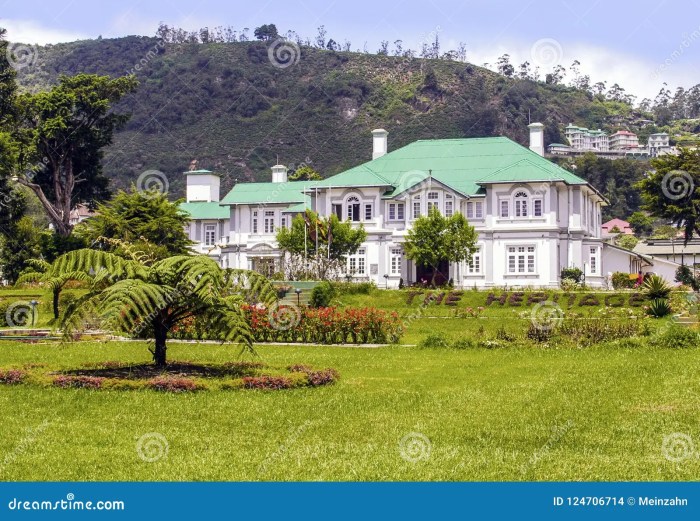
Staying in a historic hotel within a colonial building offers a unique and charming experience that differs greatly from modern hotels. The rich history, architectural details, and cultural significance of these buildings create a one-of-a-kind atmosphere that transports guests back in time.
Unique Guest Experiences
- Immersive Historical Ambiance: Historic hotels in colonial buildings often feature well-preserved architecture, antique furnishings, and decor that reflect the era in which they were built. Guests can enjoy a truly immersive experience, feeling like they are living in a different time period.
- Personalized Service: Many historic hotels pride themselves on offering personalized service that goes above and beyond. From attentive staff members with a wealth of knowledge about the building’s history to unique concierge services, guests are made to feel like royalty.
- Cultural and Educational Opportunities: Staying in a historic hotel in a colonial building provides guests with the opportunity to learn about the local history and culture. Some hotels offer guided tours, historical lectures, or cultural events that enrich the guest experience.
- Memorable Dining Experiences: Many historic hotels boast exquisite dining options that showcase local cuisine and traditional recipes. Guests can dine in elegant settings filled with history and charm, creating unforgettable dining experiences.
One guest raved about their stay at a historic hotel in a colonial building, saying, “I felt like I was transported back in time the moment I stepped into the grand lobby. The attention to detail and the sense of history in every corner made my stay truly unforgettable.”
As we conclude our journey through the realm of historic hotels in colonial buildings, we are reminded of the timeless elegance and rich heritage these establishments embody. Whether it’s the architectural marvels or the immersive guest experiences, one thing is certain – these hotels are not just places to stay, but living testaments to the past.
Essential Questionnaire
Are historic hotels only found in specific regions?
Historic hotels can be found worldwide, showcasing unique cultural heritage in various locations.
What sets apart the guest experience in a historic hotel from a modern one?
Staying in a historic hotel offers a blend of luxury and history, providing guests with a truly immersive and memorable experience.
How do historic hotels balance preservation with modern amenities?
Preservation efforts in historic hotels often involve carefully integrating modern amenities while maintaining the historical integrity of the building.


